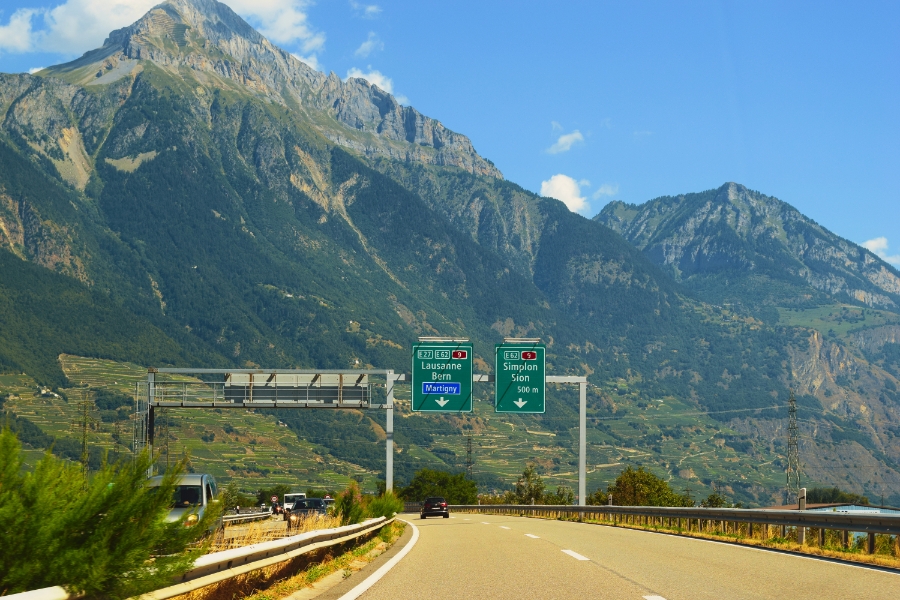
Swiss mountain drives combine sharp bends, steep climbs, changing weather, and some of Europe’s finest views. Renting an SUV in Switzerland provides useful clearance, space, and traction for alpine routes. When you rent an SUV, ski gear and hiking equipment fit without crowding the cabin. However, you must carefully check an SUV’s size, drive system, cover, and seasonal equipment. Our guide explains how to choose, book, and prepare an SUV for mountain routes across Switzerland.
Mountain travel requires the right balance between space, grip, cost, and easy control. Your route and group should guide every choice.
Choose the size around your group and the bags you plan to carry. A 5-seater SUV often holds two or three large suitcases, plus several smaller bags. A 7-seater SUV provides extra seats but loses its boot space when every seat is raised.
Check the stated capacity before booking because layouts differ between categories. Ski bags, pushchairs, and large cases can use more room than expected. Leave enough space so loose items do not block your rear view.
Automatic SUVs are widely available with air conditioning and petrol, diesel, or hybrid engines. When comparing SUV rental in Switzerland, check which drive system is guaranteed. Compact SUVs are easier to park and manoeuvre on narrow lanes. Larger SUVs offer more passenger room and boot space.
Confirm the drive system before you collect the car. The SUV label does not always mean all-wheel drive. AWD or four-wheel drive improves grip on steep, wet, snowy, or icy roads. It is helpful, but it does not replace careful driving or suitable tyres.
Daily prices depend on category, season, pick-up point, booking date, and local availability. Compact and medium SUVs may cost around CHF 100 to 140 per day. Larger or seven-seat options often range from CHF 140 to CHF 160 daily.
Premium and full-size SUVs can reach CHF 500 to 600 per day during peak periods. Compare current quotes and check what each rate includes. Off-peak dates may give you more choice and a lower daily cost.
Review mileage, insurance, roadside support, and payment rules before confirming your booking. Included terms can shape the true cost of your trip.
Unlimited mileage lets you cover long alpine routes without a charge for each kilometre. It’s best for travellers planning several passes, lakes, villages, or mountain bases.
A Swiss motorway vignette is required on motorways and expressways. The annual vignette costs CHF 40 and has no shorter daily option. Many rental cars already display one, but you should confirm this during collection. Check the windscreen first before entering a motorway.
Your booking may include Collision Damage Waiver, Theft Waiver, and third-party liability cover. For SUV rental in Switzerland, these protections reduce your costs after an eligible claim. However, an excess still applies under the rental terms. An optional excess reduction costs around CHF 25 to 35 per day. It can also reduces damage liability.
Read every insurance exclusion before driving away. Windows, mirrors, tyres, wheels, the undercarriage, engine, interior, personal belongings, lost keys, and optional extras may not be covered. You must obtain a police report after damage, an accident, or theft. Report the incident to the rental desk immediately.
Breakdown assistance is available free when the problem was not caused by the customer. Extra charges may apply for wrong fuel, lost keys, or other customer-caused problems. Contact details and roadside steps are provided before the hire begins.
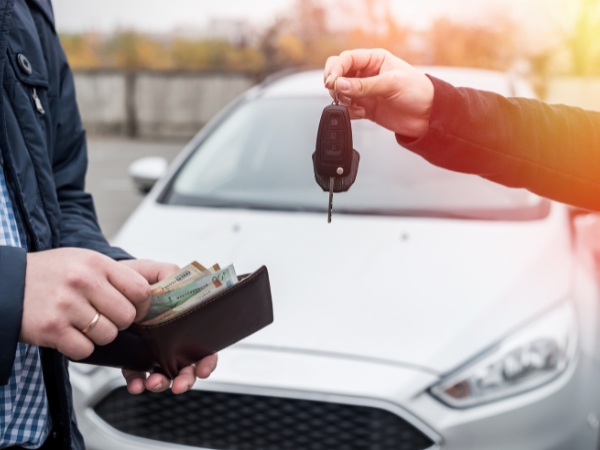
A credit card is required for the deposit, and the amount held may vary by SUV category. Higher-value SUVs may require a larger hold. Review the deposit terms before booking so that enough credit remains available. Some bookings also include free amendments before pick-up. Cancellation or late-change rules can still apply, so check the booking conditions.

Mountain conditions can change quickly across seasons and elevations. Check equipment and access before each long drive.
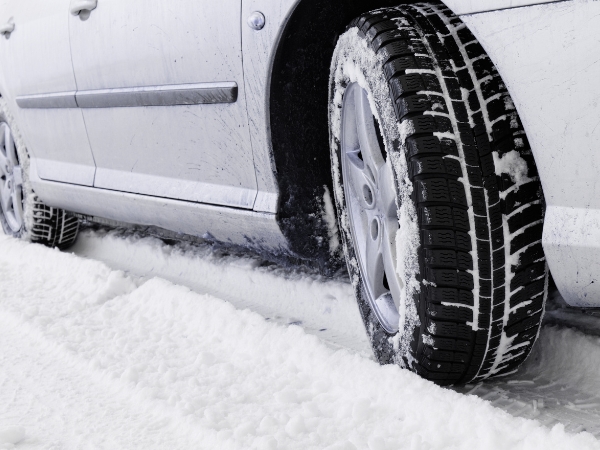
Switzerland does not require winter tyres during fixed calendar dates. However, you must keep full control in the current conditions. You may face liability after a crash when unsuitable tyres contributed to the incident.
Many car hire companies provide winter tyres during the snow season. Snow chains are usually supplied only when requested. Rent them when forecasts call for heavy snow, or your route passes through higher elevations. Follow every chain sign before continuing. The round blue sign showing a chained tyre means chains are compulsory. Check the weather and road reports, as snow and ice can affect high routes even beyond winter.
High passes often close during colder months. A winter SUV rental in Switzerland still needs an alternative route. Furka, Grimsel, and Susten usually close from autumn until late spring. Exact opening dates are subject to change due to snow, ice, road work, and local safety checks.
Check the status of every pass shortly before departure. The Gotthard road tunnel offers a year-round route beneath the seasonal pass road. Rail shuttles can also carry cars through mountain sections when high roads are closed.
Useful car shuttle routes serve the Furka, Lötschberg, and Vereina areas. Bernina, Julier, and Simplon often remain open throughout the year. Temporary closures are still possible during severe weather. Plan another route before starting your drive.
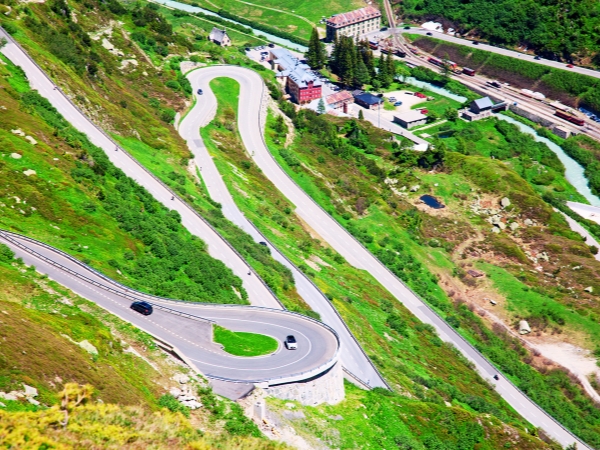
Once you leave the motorway, expect tight bends, steep drops, and narrow passing places. Drivers travelling uphill usually have priority where two similar vehicles cannot pass safely. The downhill driver may need to reverse to a wider point.
Slow down before bends and watch for cyclists, walkers, buses, and approaching traffic. Use a lower gear on long descents to reduce pressure on the brakes.
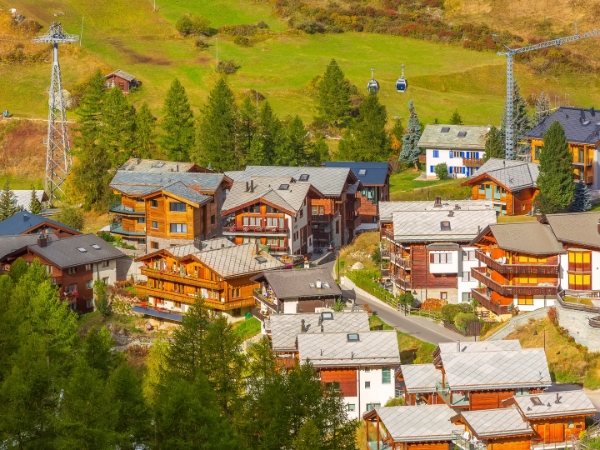
Parking can be limited in alpine villages and resorts. Zermatt and Wengen do not allow normal visitor traffic. For Zermatt, park in Täsch and continue by local train. Check the rules for your destination because some areas require permits or have restricted access.
Swiss mountain routes reward drivers who prepare well and stay patient. Choose comfort and grip, but leave enough time for weather and local access changes.
Rent a car in Switzerland with Final Rentals and choose from many SUV options, including compact, full-size, premium, and luxury choices. You can also choose five-seat or seven-seat vehicles with useful rental benefits. Book and manage your car rental at any time. Download the Final Rentals app on Google Play and the App Store.
Basic packages usually include third-party liability insurance, Collision Damage Waiver, and Theft Waiver. Each type of cover may have an excess. Unlimited mileage is also commonly included. You can often buy extra excess reduction cover for a daily fee. Check exclusions and the amount payable after an eligible claim.
AWD or four-wheel drive is not legally required for Swiss mountain roads. However, it gives better grip and control on steep, icy, wet, or uneven routes. It is strongly recommended for high alpine passes and winter travel. Suitable tyres are essential because AWD cannot prevent every slide. You must still adjust your speed for the weather and road surface.
Swiss law does not require winter tyres during set dates, but drivers must keep full control. Many car hire companies include winter tyres during the snow season. Request chains when driving towards snowy high passes. Compulsory snow-chain signs mean you must fit them before continuing. Always check current forecasts and road reports because alpine conditions can change quickly.