Driving from Switzerland into nearby EU countries can turn a simple holiday into a much bigger road trip. You can rent a car in Switzerland and cross into places like Italy or Germany.
A Switzerland cross-border car rental gives you more freedom to explore beyond one country. You can head towards the Alps, continue into another city, or add extra stops along the way. The main thing is knowing the border rules before you leave. Our guide explains permissions, insurance, fees, road charges, and return rules for your trip.
Cross-border travel and one-way car hire are not the same service. Cross-border car hire may permit EU travel but you need to return it to where you picked it up.
Some car hire companies offer international one-way hire between selected airports and city branches. Arrange the return country and location before booking. Availability depends on your route, car type, and rental company.
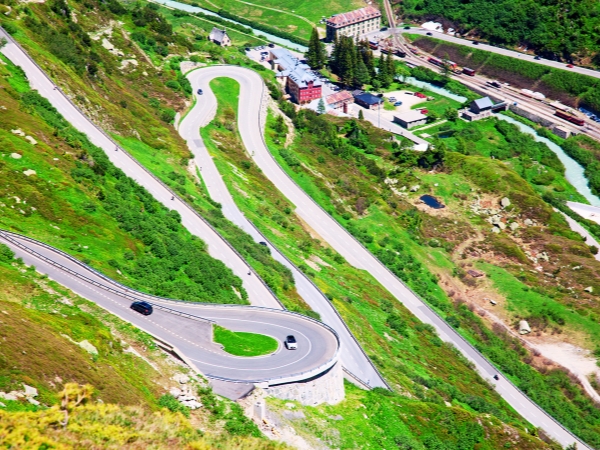
From Zurich, you can reach Milan in about 3 to 4 hours via the A2 and Gotthard route. Munich is also around 3 to 4 hours away, depending on traffic and your border crossing.
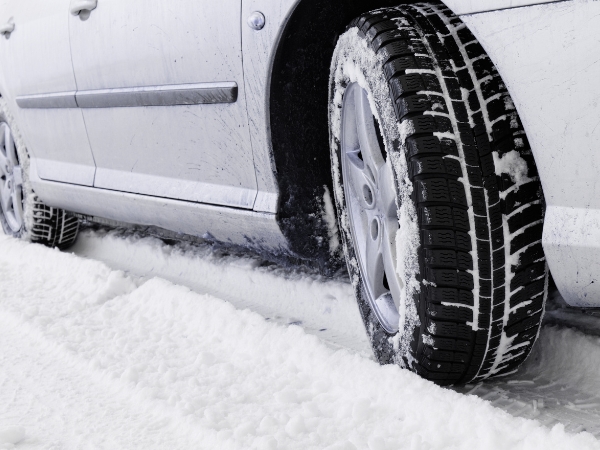
Alpine weather, tunnel traffic, and weekend queues can make either journey longer. Check road conditions before setting out, especially when snow or heavy rain is possible. Motorways are usually more straightforward, while mountain roads can take longer and change with seasonal conditions.

You need approval before taking a rental car from Switzerland into another country. Here’s what to check before crossing the border.
Tell the rental company which countries you plan to visit before you cross the border. This confirms the approved countries, insurance cover, and any documents you may need. EU residents may face extra customs rules when taking a Swiss rental into the EU. Make sure your booking clearly confirms cross-border permission before you travel.
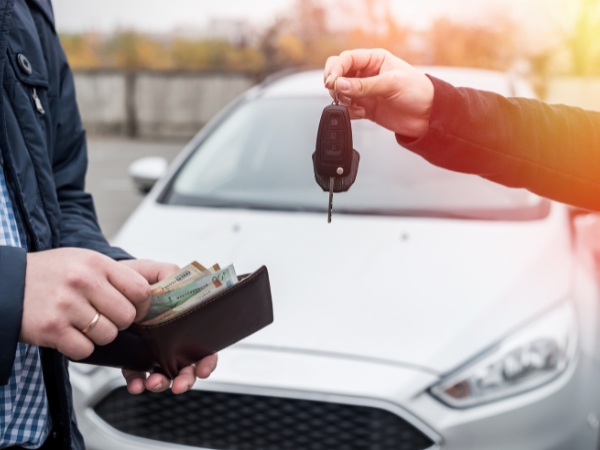
The cross-border charge depends on the terms attached to your booking. Do not assume the fee is a one-time payment. Cross-border pricing varies by company and booking. Travelling without approval can also breach your rental agreement and affect your insurance cover.
Book with Final Rentals when you plan to cross from Switzerland into the EU. You can request approval before departure, so your planned countries are covered under the rental terms before you set off. There's cross-border fee and possible road charges, while CDW, THW, and TPL are already included in your booking.
Keep the correct documents with you during the trip. Your Switzerland cross-border car rental also requires insurance that remains valid in all approved countries.
Bring your valid driving licence, passport or ID card, rental agreement, and insurance documents. You also need a credit card for the deposit under these booking terms.
Licences from the EU, the United States, Canada, and Australia are accepted without an International Driving Permit. Other licences need one if they are not written in the Roman alphabet or English.
You must carry the original domestic licence with the translation or international licence. All drivers should also appear on the rental agreement. Provisional licences are not accepted under these terms.
Bookings with Final Rentals include Collision Damage Waiver, Theft Waiver, and Third Party Liability. These protections reduce your financial responsibility in accordance with the stated excess and policy conditions.
Your approved border crossing must remain within the terms of the rental agreement. Keep your insurance papers in the car. A police report is required after an accident, damage, or theft. You must also inform the rental desk immediately. Damage caused by negligence, alcohol, drugs, or excluded car parts may not receive insurance coverage.
Road costs change once you move between countries. A Switzerland cross-border car rental means checking motorway charges and local rules before each border.
Swiss motorways and expressways require a motorway vignette for cars. It is available as a sticker or electronic vignette. The annual vignette is valid for 14 months. Check whether your hire car already has one before using the motorway. If your car does not, you can buy one before entering a covered road.
Italy uses motorway tolls on many major routes. You normally take a ticket on entry and pay on exit. Card and cash payments are commonly available at toll gates.
Germany does not charge a general motorway toll for passenger cars. However, some routes through other countries can involve vignettes or separate tolls.
Munich also has a low-emission zone within and including the Mittlerer Ring. A valid green environmental sticker is required for entry. Ask the rental company whether your car meets the local requirements.
Drive on the right and wear your seat belt in every country. In Switzerland, the general motorway speed limit is 120 kilometres per hour. Daytime running lights or dipped headlights are also required.
Italy generally uses a 130-kilometre-per-hour motorway limit where signs do not state otherwise. Germany has motorway sections without a general limit, but posted limits still apply. Follow local rules for parking, child seats, mobile phones, and alcohol limits. Customs or police checks can still happen at Swiss borders.
A Switzerland cross-border car rental gives you more freedom to explore nearby countries, but approval matters more than distance. Check which countries are permitted before leaving, and keep the correct documents in the car. Border fees, tolls, and city rules can change the cost of your route.
Rent a car in Switzerland with Final Rentals to get unlimited mileage for longer road trips and a 30-minute grace period for pickups and returns. You can also choose an excess reduction option for lower damage liability. Book and manage your car rental at any time. Download the Final Rentals app on Google Play and the App Store.
Yes. A Switzerland cross-border car rental can cover travel to neighbouring EU countries such as Italy and Germany. You must tell the company about your plans before leaving and receive approval. A cross-border fee may apply. Your insurance should remain valid in the approved countries as long as the trip complies with your rental agreement.
The cross-border charge depends on your rental terms and is not always a one-time fee. Under the Final Rentals terms for this booking, it costs CHF 25-35 per day. Highway tolls and country-specific charges are separate. You also need prior approval before crossing any border, so check the total cost before planning several days outside Switzerland.
Your Switzerland cross-border car rental documents include a valid driving licence, passport or ID, rental agreement, and insurance papers. A credit card is also required for the deposit under these terms. Licences outside the accepted countries may need an International Driving Permit or certified translation. Carry the original domestic licence as well. EU residents should also confirm whether customs rules require a different registration for a rental car.