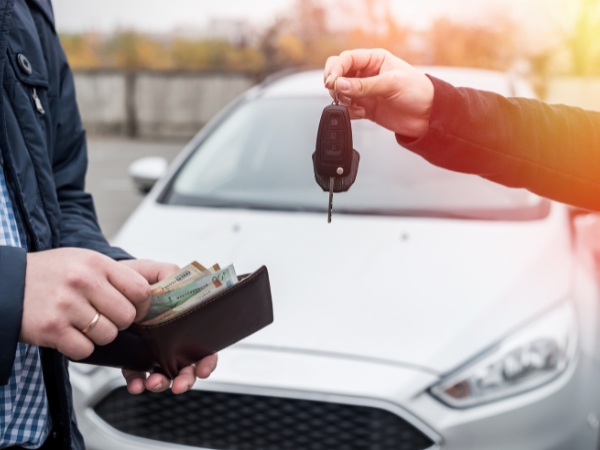
A car hire deposit can affect your budget before your Swiss road trip begins. At the time of pick-up, the company blocks funds from your credit card. The Switzerland car rental deposit depends on the car type and insurance level. You should also understand card rules, release times, and possible deductions.
Renting a car in Switzerland gives you the freedom to explore cities, lakes, villages, and Alpine routes. Our guide explains deposit amounts, payment rules, covered costs, and simple ways to protect your money.
Swiss car hire companies use deposits to cover possible rental costs. The blocked amount protects both sides until the car is checked.
The average car rental deposit in Switzerland varies by car type. Final Rentals holds between CHF 300 and CHF 3,000. The amount depends mainly on the type of car. Small cars often require lower deposits, while premium cars and larger SUVs may require lhigher holds.
A Switzerland car rental deposit is normally a pre-authorisation, not an immediate charge. The amount reduces your available credit for the duration of the rental. Once you return the car with no outstanding charges, the rental company releases the hold. Your bank may need several days to show the full balance again.
The deposit may cover damage, fuel, and fees linked to your booking. These costs can include repairs, missing fuel, late returns, traffic fines, parking tickets, unpaid tolls, and heavy cleaning. Extra rental days or mileage charges may also be deducted when they apply.
Tyres, wheels, and glass may fall outside basic cover, alongside the undercarriage, interior, lost keys, and personal items. Lost keys can also bring a separate fee. Read your terms carefully because exclusions can affect the amount taken from your deposit.
A deposit and an insurance excess are different. The deposit is a temporary hold, while the excess is your maximum payment after the covered damage is deducted. For CHF 1,200 of repairs, a CHF 1,000 excess may leave you paying CHF 1,000.
Basic collision and theft cover may reduce your financial risk, but exclusions still apply. An excess reduction option may lower liability to CHF 500. The extra cover costs between CHF 26 and CHF 35, depending on the car category. The deposit hold also reduces your available card balance. A CHF 1,500 hold on a CHF 3,000 limit leaves CHF 1,500 for other spending. Check your limit before travelling and leave enough credit for the rental cost and deposit.

Payment terms may determine whether you receive the car at collection. Bring the right card and documents to avoid delays or refusal.
The deposit must be placed on a valid credit card under the main driver’s name. The booking name, driving licence, and cardholder name should match. A booking may be refused when the driver cannot present the correct card.
You must also bring your passport and driving licence or identity card. The licence must have no major endorsements and at least three months of experience. Provisional licences are not accepted. A certified translation or international driving licence is required for non-Roman licences.
The deposit requires a credit card at the time of collection. Major credit cards are accepted for the hold. Debit cards may be accepted for desk payments, but they cannot replace the required credit card deposit.
Bring the physical card and PIN. The card must remain valid and have sufficient credit to cover the full hold. A failed pre-authorisation may prevent collection. A backup card under the main driver’s name can help.
The deposit is usually processed in Swiss francs. Choose payment in local currency when your card terminal offers a choice. This may avoid poor conversion rates and extra charges.
Exchange rates can change between collection and release. Your returned amount may differ slightly after your bank converts it. A card without foreign transaction fees may reduce these costs. Check pending transactions in your banking app during and after the rental.
Good preparation can reduce deductions and delays. Follow the rental terms from collection until the card hold disappears.
Read the deposit and insurance rules before confirming your car. Check the hold amount, accepted card types, insurance excess, exclusions, fuel policy, mileage, and cross-border fees. Final Rentals terms include unlimited mileage, basic insurance cover, and free assistance for breakdowns not caused by the driver.
Book online with Final Rentals to check deposit requirements early and choose a car type that suits your credit limit. The required hold ranges from CHF 300 to CHF 3,000 under these terms. Confirm the final figure before travel because terms and prices may change.
Inspect the car before leaving and photograph every visible mark. Take clear images of the body, roof, wheels, mirrors, windows, interior, fuel gauge, and mileage. Ask staff to record every scratch, dent, chip, or damaged rim on the collection report.
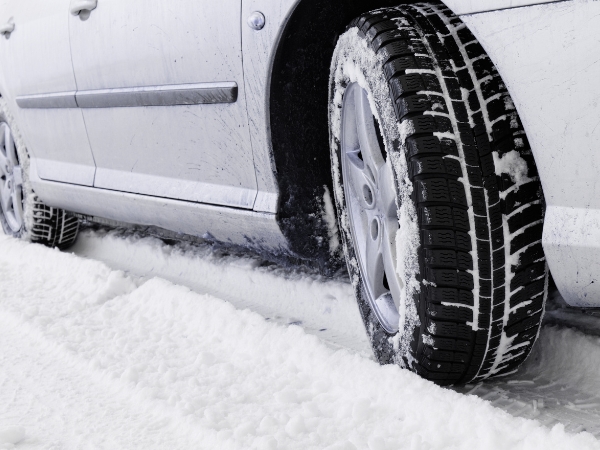
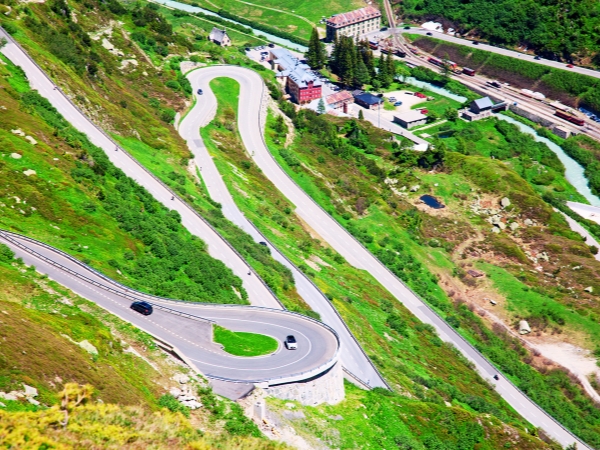
Drive carefully on mountain roads, tight village streets, gravel patches, and winter routes. Slow down near potholes, sharp corners, speed bumps, and narrow passages. Damage to tyres, wheels, glass, the roof, or undercarriage may not be covered by basic insurance.
Avoid off-road tracks, as rental terms may exclude damage incurred there. Keep the keys and documents secure. Insurance may become invalid after theft when you cannot return these items. You must also report accidents, damage, or theft to the police and the rental desk immediately.
Return the car with a full tank and receipt. Late returns beyond the 30-minute grace period may bring a full-day charge. Early returns do not qualify for refunds. Return during working hours when possible and ask staff to confirm fuel, mileage, and condition.
Cross-border travel needs approval before entering the European Union countries. A daily fee of CHF 25 to 35 applies. You must also pay local tolls and country charges. Switzerland uses a motorway vignette, but neighbouring countries have separate toll systems.
Follow every road rule throughout the trip. Unpaid fines may bring a processing fee. When staff are unavailable, take time-stamped photos in the return area. Record the fuel level, mileage, car condition, parking space, and key return.
After returning, watch the Switzerland car rental deposit in your card account. The company may release it quickly, but banks often need several business days. Contact the branch when the hold remains longer than expected. Ask for a clear cost breakdown when any amount is kept.
Keep photos, receipts, and reports, alongside payment records. These documents can support a dispute with the rental company or bank.
A deposit should not spoil your plans. Prepare your card and records, then enjoy the route without worrying about every possible charge. Clear photos, careful driving, and a timely return can protect your budget.
Rent a car in Switzerland with Final Rentals to compare low-deposit options with included cover, unlimited mileage, and breakdown assistance. Book and manage your car rental at any time. Download the Final Rentals app on Google Play and the App Store.
Most Swiss rentals hold between CHF 500 and CHF 3,000 on a credit card. The amount depends on the car type, insurance, and rental length. Economy cars often have lower deposits, while premium cars and SUVs usually need higher holds. Always check the exact amount and your available credit before confirming your booking and collecting the car.
Swiss rentals require the main driver’s credit card for the deposit. Debit and prepaid cards are generally not accepted for the hold. The booking name, licence, and cardholder details should match to prevent refusal at the rental desk.
Return the car in good condition to have the deposit hold released. The rental company may release it in about 24 hours, while your bank may need 2 to 10 business days. Follow the fuel, timing, mileage, and damage rules. Keep photos, fuel receipts, and the signed return report. Contact the rental office, then your bank, if delays or unexplained charges appear.