A Swiss Alps road trip takes you from lakeside cities to high mountain passes within a few hours. You will drive beside clear lakes, cross steep valleys, and stop in small Alpine villages. Routes through central Switzerland, the Bernese Oberland, and Valais bring different views each day.
You can rent a car at Zurich Airport and follow the route at your own pace. Our guide covers the route, seasonal planning, scenic stops, parking, road rules, and car hire terms.
This Swiss Alps road trip follows a loop through central Switzerland, Valais, and the Bernese Oberland. It combines motorways, passes, and a car train.
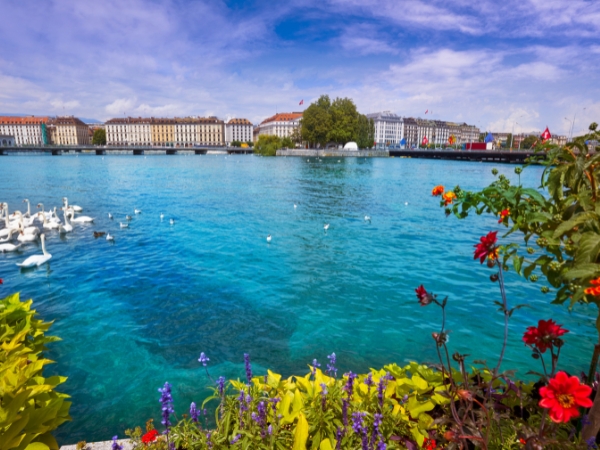
Follow the A4 and A14 from Zurich Airport to Lucerne. The 67-kilometre drive takes around 1 hour. Park near the old town, then walk beside Lake Lucerne. Visit the Lion Monument or dine near the historic centre. Many hotels have parking, making Lucerne a useful first overnight stop.
Continue south on the A2 towards Göschenen and Andermatt. The route crosses the Gotthard valley and Schöllenen Gorge. Andermatt stands at 1,440 metres above sea level, about 125 kilometres from Zurich. Hotels, restaurants, parking, and pass access make it a useful base. Traffic often builds near the Gotthard Tunnel.
Furka Pass reaches 2,429 metres and has tight bends with wide mountain views. It usually opens by mid-June and closes in October. Stop near Hotel Belvédère for the Rhône Glacier viewpoint. The former ice grotto is closed. Descend to Gletsch, then continue towards Grimsel Pass at 2,164 metres. It normally closes from October to May. Summer drivers pass Grimselsee before reaching Meiringen. Use the Furka Base Tunnel after snow closures.

Drive north from Meiringen towards Interlaken, between Lakes Thun and Brienz. Lauterbrunnen has famous waterfalls, mountain railways, and parking. Grindelwald offers garages, hotels, cable cars, and access to Jungfraujoch and Männlichen. These valleys are among Switzerland's finest Alpine destinations. Harder Kulm offers two-lake views after a short funicular ride. Spend a full day here for walks and mountain trips.

Drive about 40 kilometres from Interlaken to Kandersteg. Join the queue and drive onto the Lötschberg car train. Booking is not required, though a digital ticket can speed payment. The train reaches Goppenstein in 15 to 20 minutes. Stay inside with the engine off and the handbrake applied. Large vehicles use special carriers and should arrive 15 minutes early. Rail passes and motorway vignettes do not cover the fare.
Continue through Visp and Brig to Täsch. Zermatt is car-free, so use the Täsch Matterhorn Terminal. It has about 2,100 covered spaces and 12-minute trains to Zermatt. After your visit, drive towards Spiez and Bern beside Lake Thun. Stop in Bern if time permits. Take the A1 back to Zurich.

Seasonal timing shapes every Swiss Alps road trip, especially when high passes form part of your route. Plan seven to ten days and two to four driving hours daily.
Most mountain passes open between mid-June and early September, with July and August offering your best chance of clear roads. September often brings clear weather and fewer visitors, while late June can also suit a flexible trip. Spring remains uncertain because snow may block high roads, and October can bring early closures. During winter, you will depend more on valley routes, tunnels, and car trains. Check each pass before setting out, since conditions can change quickly at higher elevations..
Drive for 2 to 4 hours daily, this pace gives you time for stops. Lucerne works well for the lake, while Andermatt gives quick pass access. Lauterbrunnen or Grindelwald is a good base for visiting Jungfraujoch. Kandersteg provides car train access. Täsch is where Zermatt is located, while Bern can be your final overnight stop.
Weather in the mountains can change quickly, even during summer. Fog, rain, and brief snow may affect roads above 2,500 metres. Carry warm layers and rain gear. Check forecasts each morning. Use the Gotthard Tunnel when the high pass closes. The Furka Base Tunnel replaces the Furka Pass road. The Lötschberg car train avoids exposed routes. Slow down and obey warning signs in poor weather.
Plan time away from the car. Near Lucerne, take a lake trip or mountain railway to Pilatus or Rigi. Around Interlaken, visit Harder Kulm or take a cruise on the lakes. Walk to Staubbach Falls or see the eleven cascades inside Trümmelbach Falls. Grindelwald offers the First Cliff Walk and Männlichen. Near Zermatt, visit Gornergrat or Sunnegga. Book famous mountain trips ahead of time during the summer.
Safe Swiss Alps road trip planning includes road rules, parking, insurance, and a suitable type of car. Read your booking terms before leaving.
Compact cars work well on tight bends and in small spaces. SUVs offer more luggage space. A 4-wheel drive is rarely needed during the summer. Winter tyres matter during colder months. Automatic cars reduce clutch work on steep roads. Some drivers prefer the higher seating position of an SUV. Choose suitable insurance and enough luggage space.
Book with Final Rentals and choose from compact cars, SUVs, premium SUVs, and seven-seat options. Your booking can include unlimited mileage, collision damage cover, theft cover, and third-party liability cover. You can plan longer Alpine drives with space for luggage and flexibility to adapt to changing mountain routes.
Drive on the right and use dipped headlights at all times. Seat belts are required. The motorway speed limit is 120 kilometres per hour. Main roads have a 100-kilometre-per-hour limit. Rural roads usually have an 80-kilometre-per-hour limit. Town limits are often 50 kilometres per hour.
A Swiss motorway vignette costs CHF 40 and is required on highways. It is often included with Zurich car hire, so confirm this before leaving. Give way to trams and pedestrians. Follow right-side priority at unmarked junctions.
Zermatt, Wengen, and Mürren do not allow visitor cars. Park at Täsch for Zermatt. Use the Lauterbrunnen station parking for Wengen. For Mürren, park in Lauterbrunnen or Stechelberg. Continue by train or cable car. Parking is usually paid. Use the correct ticket or parking disc because fines are strict.
Your booking should include third-party liability, collision damage cover, and theft cover. Each may carry an excess. Excess reduction may lower your damage liability.
Bring your passport, full driving licence, and credit card. You must have held your licence for at least three months. Licences from the United States, Canada, Australia, and the European Union need no international permit. Other licences need an international permit or a certified translation with the original.
Drivers can rent from age 18. Young fees apply through age 21, while senior fees apply from 75 to 90. Pay the security deposit by credit card. Unlimited mileage is included. EU cross-border trips need approval and an added fee.
Photograph existing damage before departure. Return the car full and keep the fuel receipt. Police reports are required after damage, accidents, or theft. Cover excludes tyres, windows, mirrors, undercarriage, interiors, personal items, and lost keys.
A Swiss Alps road trip depends on more than choosing scenic stops. Pass closures, car-free villages, and train shuttles can change how you reach each place. Plan these details, and you can enjoy the route without forcing every stop into a single schedule.
Rent a car at Zurich Airport with Final Rentals and choose automatic or manual transmission for your Alpine route. Drivers aged 18 and over can book, although age fees may apply. Book and manage your car rental at any time. Download the Final Rentals app on Google Play and the App Store.
Travel from mid-June through early autumn for the widest choice of open passes. July and August offer the most reliable road access. September often brings clear weather and fewer crowds for most routes. Late autumn and winter close many high roads, so drivers must use valleys, tunnels, and car trains instead.
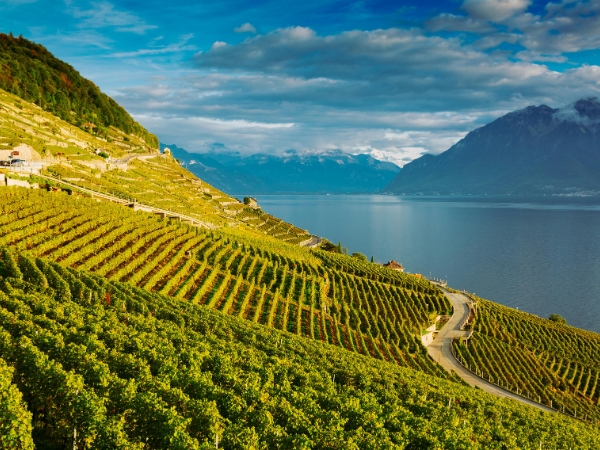
Lucerne offers a historic centre and wide lake views. The Bernese Oberland includes Interlaken, Lauterbrunnen, and Grindelwald. Valais adds Zermatt, the Matterhorn, Furka Pass, and the Rhône Glacier viewpoint. Each area features famous peaks and valleys, mountain railways, cable cars, and convenient nearby villages for overnight stays. Explore each region slowly.
The main Alpine driving route from Zurich starts at Zurich Airport. Follow the A4 and A14 to Lucerne. Continue south on the A2 towards Andermatt. Cross open mountain passes into Valais, then loop through the Bernese Oberland and Bern. Tunnels and car trains provide useful alternatives when roads are closed.